Tree Service in Renner, SD

Renner is unincorporated. There is no city government, no municipal tree ordinance and no city yard waste site, which changes what you can do and who you answer to. ISA-certified arborists for acreage and shelterbelt work across Renner and Minnehaha County.

Tell Us About Your Tree

No City Hall, No Ordinance, No Drop-Off Site
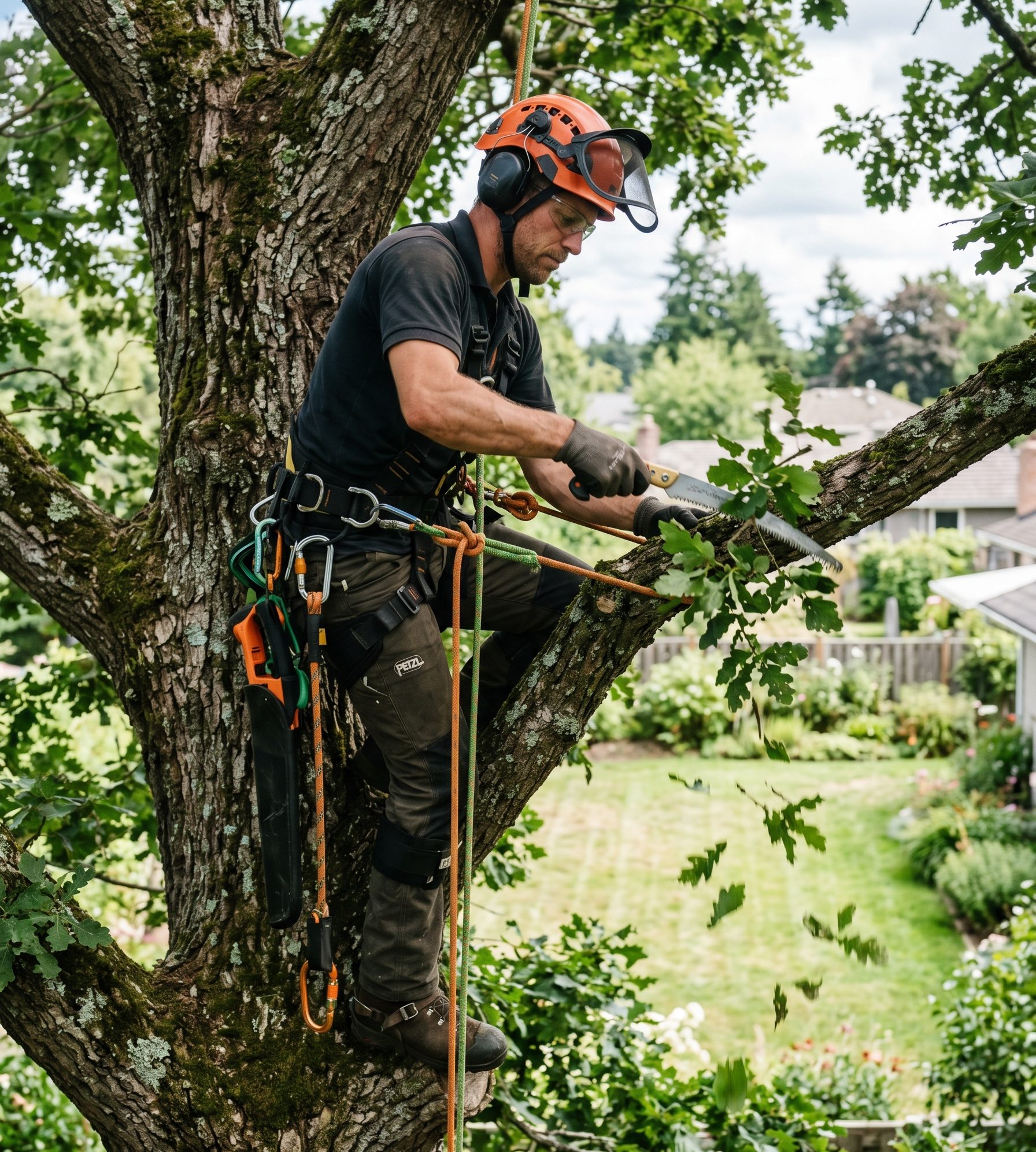
Renner sits just north of Sioux Falls on South Dakota Highway 115, in the valley of the Big Sioux River. It is an unincorporated community in Minnehaha County, and that single fact shapes almost everything about tree work here.

There is no city council setting a boulevard tree policy, no municipal ordinance dictating clearance heights, and no city compost site to take your branches to on a Saturday morning. Brandon has a branch site, Harrisburg has a compost site, Garretson has a branch pile. Renner has none of those things.

What you have instead is county jurisdiction, larger properties, and full responsibility for what stands on your land.

Professional Tree Services In Renner

The Tree Problems Renner Property Owners Deal With

Aging Windbreaks and Shelterbelt Rows

Shelterbelts planted generations ago are reaching the end together. When the outer row fails, the trees behind it face wind they have never taken, and the whole belt unravels over a few seasons.

Large Trees Near Outbuildings

Acreages have barns, machine sheds and grain bins that were often built with a mature tree already beside them. Nobody plans for the day that tree fails onto a structure with no insurance schedule.

Big Sioux River Corridor Trees

Valley bottom soil grows large trees quickly, and fast growth means weak wood. Add bank movement and saturated ground, and river-corridor trees fail in ways that look sudden but were not.

Ash-Heavy Windbreaks and EAB

Green ash was planted heavily in South Dakota shelterbelts. Renner is in Minnehaha County inside the EAB quarantine, so an ash-heavy windbreak is a whole row facing the same problem at once.

Storm Exposure Without Shelter

Open acreage ground with an aging or gapped windbreak leaves buildings and remaining trees fully exposed. The wind finds the weakest tree in the row first.

Shelterbelt and Windbreak Work in Renner

Most tree work on a Renner acreage is not about one tree. It is about a row.

Shelterbelts were planted as a system, usually in a single season, often with the same two or three species. They mature together and they decline together. The failure pattern is predictable once you know to look for it:

  1. The outer row goes first. It takes the wind and the drying, and it is usually the shortest-lived species in the belt.
  2. Gaps become funnels. Wind does not flow around a gap, it accelerates through it, which puts more load on the trees either side than they had before.
  3. The inner rows were never wind-hardened. They grew up sheltered. When the outer row is gone they are structurally unprepared, and they fail faster than the row that protected them.

Staged replacement beats total removal

The mistake we see most often is clearing a failing belt in one go and replanting from scratch. That leaves the property fully exposed for fifteen years. The better approach is planting the replacement row before removing the old one, so the new trees are establishing while the old belt is still doing its job.

If the belt is ash-heavy, that decision is more urgent, because EAB will make it for you otherwise. How to check ash for emerald ash borer.
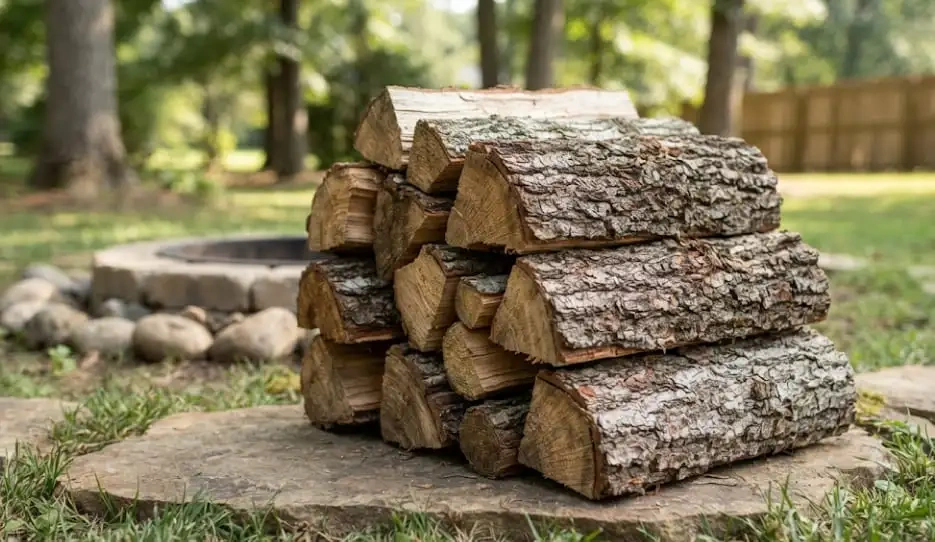
Stacked ash firewood on a Renner, SD acreage inside the Minnehaha County quarantine

What We Handle in Renner

Tree Removal in Renner

Trees over barns, machine sheds and grain bins, failing shelterbelt rows and river-corridor hazards. Acreage removals usually need equipment access planned before anything starts.

Tree Trimming and Pruning in Renner

Deadwood removal on large yard trees and clearance work around outbuildings and access lanes. ANSI A300 standard. We do not top trees.

Stump Grinding in Renner

Ground 8 to 12 inches below grade with surface roots included, so the ground goes back into use rather than becoming an obstacle you mow around.

EAB Treatment in Renner

Ash-heavy windbreaks face this as a whole row rather than one tree. We assess the belt, not just the specimen, and tell you what is worth treating.

Storm Damage Cleanup in Renner

Full cleanup plus documentation and photographs for your insurer. Acreage storm damage produces far more debris than a town lot, and there is no local drop-off, so all of it leaves with us.

Emergency Tree Service in Renner

Tree down on a structure, across a lane or into a line. We respond around the clock across Renner and Minnehaha County.

Rules, Permits and Disposal Without a City

Who has jurisdiction

Renner is an unincorporated community, so there is no municipal tree ordinance. What applies instead is Minnehaha County regulation, plus the rules attached to whatever the tree is near: a county road right-of-way, a utility easement, or a drainage way. If your tree overhangs a county road or sits in an easement, that is where to check before work starts.

Underground locates are not optional on acreage properties. Buried water lines to outbuildings, septic fields and private electrical runs are rarely where the owner remembers them being. We contact South Dakota One Call on every job that needs it.

Emerald ash borer

Renner is inside the South Dakota EAB quarantine covering Minnehaha, Lincoln, Turner and Union counties. Ash wood and firewood cannot leave the county and must be shredded, buried or burned on site. On an acreage that is usually straightforward, but it does mean you cannot take a load of ash to a cabin or across a county line. Current boundaries are on the state quarantine map.

Disposal

There is no Renner drop-off site. Your options are on-site chipping and spreading, an on-site burn where county rules and conditions allow, or haul-away. Every job we do here includes taking it all with us, which on an acreage is usually the difference between finishing and having a brush pile that sits there for two years. Where storm debris goes across the wider area.
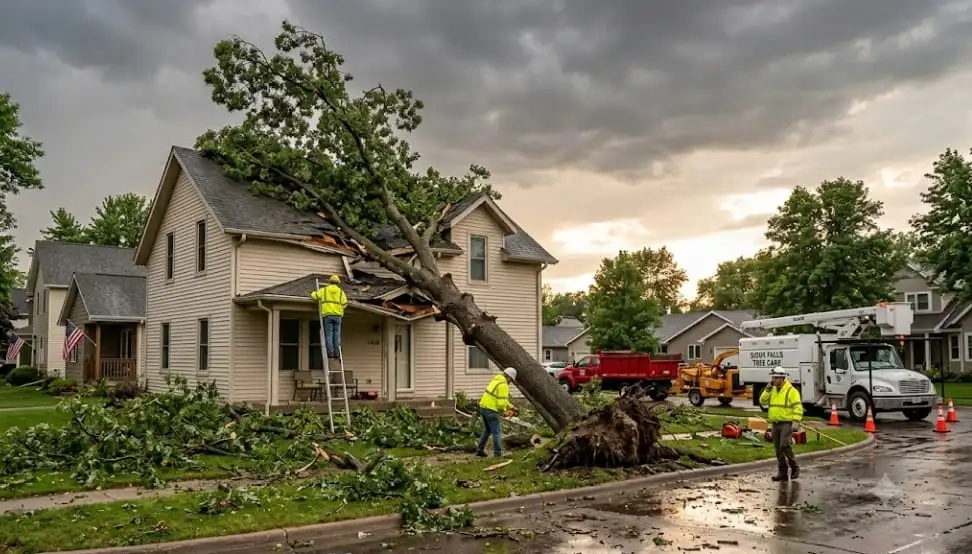
TreePro crew clearing a fallen tree from an acreage property near Renner, SD

Why Renner Property Owners Call Us

We Understand Acreage Work

Shelterbelt rows, outbuildings and equipment access are a different job to a town lot. We plan the approach before the first cut rather than working it out on the day.

ISA Certified Arborists

South Dakota has no mandatory state licence for tree work. The certification is the only real filter, and ours is verifiable.

Licensed and Fully Insured

A tree failing onto a machine shed is an expensive mistake. Ask for our South Dakota insurance certificate and ring the insurer directly to check it.

Written Estimates, On Site

We walk the property, look at the whole belt rather than one tree, and put it in writing. Acreage work cannot be quoted from a photograph.

We Do Not Top Trees

Topping strips structure and forces weak regrowth that fails in the next high wind. On exposed acreage ground that is the last thing you want in a windbreak.

Full Cleanup, No Brush Pile Left

There is no drop-off site in Renner. Everything we cut leaves with us rather than becoming a pile you look at for the next two years.

Renner Tree Service FAQ

Something not covered here? Give us a call, we are happy to talk it through before you commit to anything.

Does Renner have a tree ordinance or permit requirement?

Renner is an unincorporated community, so there is no municipal tree ordinance and no city permit process. Minnehaha County regulation applies instead, along with whatever rules attach to a county road right-of-way, utility easement or drainage way the tree happens to sit near. If your tree overhangs a county road or stands in an easement, check there before work starts.

There is not one. Your practical options are chipping and spreading on site, an on-site burn where county rules and conditions allow it, or haul-away by whoever does the work. Every job we do in Renner includes taking all of the debris with us, which on an acreage is usually the difference between the job being finished and a brush pile that sits there for two years.

Not out of the county. Renner is in Minnehaha County, inside the South Dakota emerald ash borer quarantine covering Minnehaha, Lincoln, Turner and Union counties. Ash wood must be shredded, buried or burned on site. You cannot take a load to a cabin or across a county line.

Usually not all at once. Clearing a whole belt leaves the property fully exposed for around fifteen years while replacements establish. The better approach is staged: plant the replacement row first, let it establish while the old belt is still working, then remove the failing row. If the belt is ash-heavy the timeline is tighter, because emerald ash borer will make the decision for you otherwise.

Yes, and it is a large part of what we do in Renner. Removals near outbuildings need the drop zone and equipment access planned before anything starts, because there is rarely room to simply fell a tree. We walk the site and plan the approach as part of the estimate.

Yes. We contact South Dakota One Call on every job that needs it. On acreages this matters more than in town, because buried water lines to outbuildings, septic fields and private electrical runs are frequently not where the owner remembers them being.

Late winter to early spring, before new growth starts, is generally best for structural work and removals. The ground is firm enough for equipment, there is no foliage obscuring the structure, and the trees are dormant. Storm damage and genuine hazards are the exception and get dealt with whenever they happen.

Get Your Trees Looked At in Renner

Give us a call or send the form. We will walk the property, look at the whole belt rather than one tree, and tell you what actually needs doing. Estimates are free and done on site.